
Is The Mediterranean Diet Healthy?
So is this a lifestyle or just a guide on how you can eat healthily? Well actually it's a combination of both as it provides you with advice on which specific foods you should have in your diet as well as some basic rules on when you should be eating them!
In the mid 1950's the Mediterranean Diet finally came into the public eye. With a pyramid of food as a guide and some basic rules, you can embrace a healthy lifestyle diet that is high in antioxidants and low in cholesterol.
Its name, Mediterranean Diet, is referring to the origins of the foods and diet, rather than to specifically telling you to eat Italian and Greek foods.
Some of the Health Benefits
Due to the combination of foods, oils and limiting your red meat intake, the benefits can be seen in a reduction of the likelihood of your developing heart disease, high blood pressure and obesity.
A typical Western diet includes a lot of red meats, relatively few fresh vegetables and fruits and a lot of preservatives. Therefore, it means it's high in animal fats and also a lack of fibre. Increasing the amount of fresh fruit and veg and reducing red meat, to replace with white meats or fish has many positive benefits for your diet and your general health prospects.
If you want to follow this diet it's actually fairly easy and it is also relatively cheap too. But what are basic features?
Some Basic Rules for the Mediterranean Diet
The first thing you should know is that this is not about increasing intake of any super foods nor is it about following a very strict prescribed list of do's and don'ts. So the following are some guidelines and principles that you will need to stick to :
- Maximise your fresh fruit and vegetable intake
- Increase intake of peas and beans and whole grains
- Limit your red meats - choose fish or poultry instead
- No processed foods - like ready meals
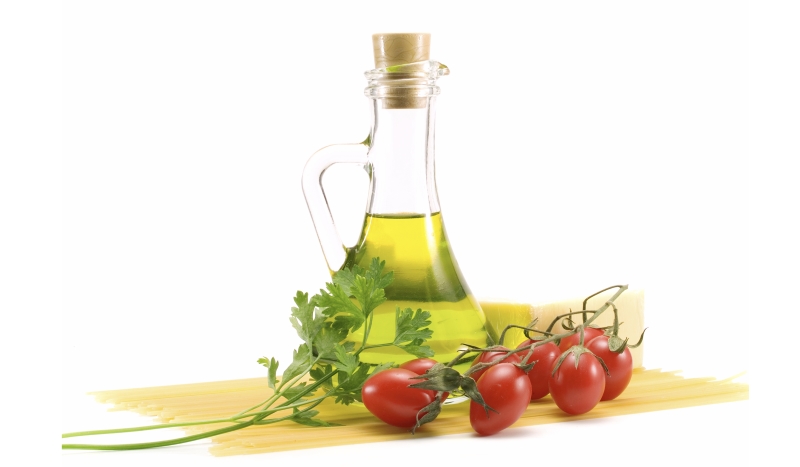
- Always use Olive Oil - a mono-unsaturated fat
- Ensure you drink at least 6 glasses of water a day
- No more sugar, use honey instead to sweeten anything
- Check proportions of what you eat 50% carbohydrates : 30% fats and 20% protein
Following the above guidelines is not just about a short term fix. This is a long term lifestyle change in the way you eat.
Looking More Closely
Research looked at what the people of Greece were eating, particularly Crete, due to the fact they had the longest life expectancy in the world. This showed the key aspects of the Mediterranean diet to be high consumption of:
Cereals, Grains, Vegetables, Dried beans, Olive oil, Garlic, Fresh herbs, Seafood, Fruit
Moderate consumption of:
Wine, Meat and poultry (with poultry more common than red meat)
Almost no consumption of animal fats such as:
Butter, Cream, Lard
Although the Mediterranean diet is approximately 10% higher in total fat than a typical western diet, Cretans and other Greeks are 20% less likely to die of coronary artery disease than Americans, and suffer 35% less cancer.
Why is This Diet Much Healthier?
The key elements seem to be:
- An average of nine servings a day of antioxidant-rich vegetables.
- Cold water fish eaten several times a week - these contain omega-3 oils, known to reduce heart disease and boost the immune system.
- Very little saturated fat (typically found in red meats and tropical oils) and trans fat. Also known as hydrogenated or partially hydrogenated oil, these trans fats are found in most margarines, snack foods, and commercial baked goods, and are implicated in both weight gain and increased health risks.
- Increased consumption of olive oil. Olive oil helps lower harmful LDL cholesterol, and contains antioxidants that discourage artery clogging and chronic diseases, such as cancer.
While there's no guarantee that eating this way will make you any slimmer, you will certainly be a lot healthier.
Most Popular
You may also be interested in...
Eating Healthy Foods
Find more on eating healthy foods and how to look for nutritional foods. Slimming.co.uk has informative slimming and dietary advice whatever your requirements.Healthy Fish
Did you know healthy fish foods are not only very good for you; they can also be perfectly delicious. Find out more about how fish can improve your diet on slimming.co.uk.Diet Foods & Slimming Drinks
Get the facts on why diet foods and diet drinks are not the simple answer. It's more about changing the way you eat and approach your diet than just buying it all off the shelf.A High Fibre Diet
Look for what a high fibre diet is and read our simple guide. From high fibre foods through to recipes and tips slimming.co.uk has everything you need.High Protein Diet Plans
Looking for good high protein diet plans online is not always easy, but find out more about losing weight and slimming through diet with slimmming.co.uk