
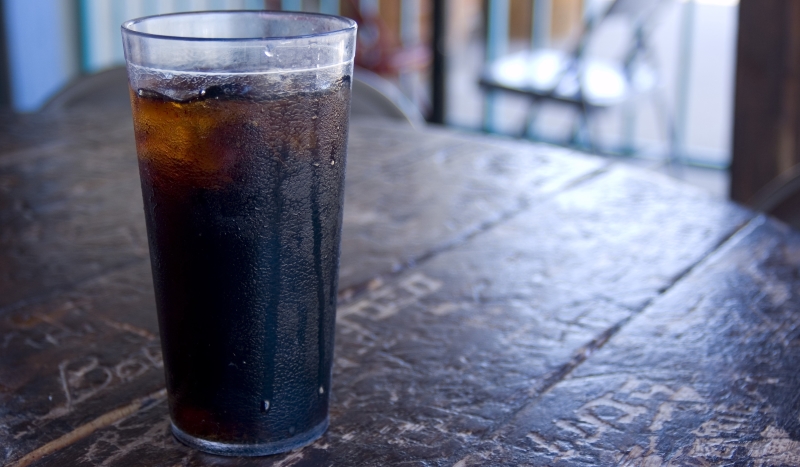
Diet Drinks - Good or Not?
So reach for the branded diet drinks right? Remove the sugar from your favourite drink and your going to reduce the sugar, lose calories and therefore weight? Think again.
When we refer to diet drinks, people mostly think of Diet Coke, Coke Zero, Diet Sprite et al. But it's more than that - anything that says 0% sugar or no sugar means it's using sweeteners to replace the sugar. (Why not read our article all about the sweeteners including Aspartame and Saccharin!)
But Don't Diet Drinks Have Less Sugar?
Yes, they do contain significantly less calories than other more sugary beverages that undoubtedly have much higher levels of calories and sugar. However, there are two schools of thought regarding the consumption of diet drinks as opposed to their sugary counterparts.
On the one hand, the advantages and benefits of drinking large quantities of low calorie liquids are obvious. You can gain your daily requirements for liquid intake without compromising your diet plan or waistline. On the other hand, diet drinks contain such ingredients as aspartame and other artificial sweeteners, phosphoric acid phenylalanine, acesulfame K and caffeine.
What About the Caffeine?
As stated above, caffeine is often found in diet drinks. Concerns relating to the content of caffeine within such beverages include the effect of addiction on your neurological system and on the kidneys.
Caffeine is a diuretic and causes the body to dehydrate. This is one reason, according to some, why you tend to consume such high quantities of such liquids without satisfying your thirst.
Thirst Vs Hunger
A related issue to this involves the confusion regarding the differences between thirst and hunger which can directly cause over indulgence. Some people will tend to eat more food when in reality all they crave is liquid hydration.
Artificial sweeteners in beverages make the neurological pathways respond to a sweet taste by priming the hepatic organ intake a new supply of sucrose. When none arrives, the liver delivers hunger pangs. This can actually cause the body to gain weight as you tend to feel more hungry as a result of this process of convincing your liver that you have consumed inadequate quantities of sustenance.
Is There Any Nutritional Gain in 'Diet'?
These liquids do not posses any nutritional value. Sodium is the only ingredient that presents little if any benefits to your health. Water, pure fruit juices or diluted juices are the best forms of beverages that provide the liquids your body needs without compromising your calorie intake.
Interestingly enough, there are higher levels of phenylalanine in regular foods than those found in liquids of this nature. Although some drinks contain perhaps 100mg of this ingredient, an egg has 300mg while a glass of milk has 500mg.
Most Popular
- › Diet & Nutrition Tips & Advice
- › The Effects of Alcohol on Your Health & Weight
- › Eating Disorders Relating to Weight Loss
- › What Is Diabetes?
- › Fat Burning Exercises
- › Vitamins & Minerals in Foods
- › Slimming Guides & Articles
- › Treadmills & Running Machines
- › Detox for Weight Management
- › Personal Training Workouts
You may also be interested in...
Artifical Sweeteners to Replace Sugar
Artificial sweeteners are used in many products instead of natural sugar - they are a sugar replacement! Find out more about whether they affect your health.Diet Foods & Slimming Drinks
Get the facts on why diet foods and diet drinks are not the simple answer. It's more about changing the way you eat and approach your diet than just buying it all off the shelf.Low Sugar Foods
Read whether low sugar foods like snacks or 'diet' foods will hepl with your goal of dieting. From special recipes through to key advice slimming.co.uk has it allSugar Busters Diet Plan
Read all about the Sugar Busters! diet plan as a way for you to lose weight. We have details on a wide range of diet plans, so check out what's best for you now.Sugar Intolerance
Are you a parent who is dealing with sugar intolerance in your child? Learn more about this dietary condition on slimming.co.uk!