
Food Intolerances
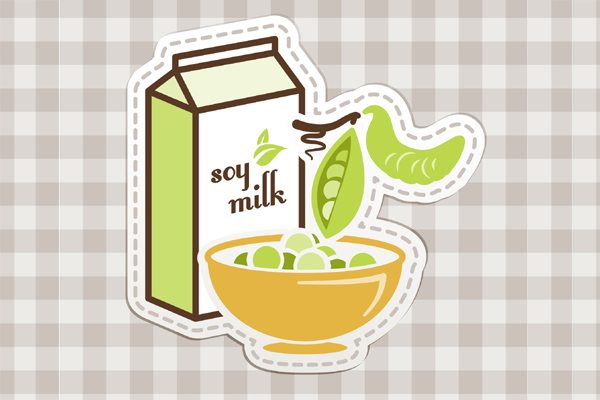
By definition, food intolerance is when eating a particular type of food causes an adverse reaction in your body, for example an allergy to milk. The past few years has seen much more research and acknowledgement.
Intolerance is not the same as disliking the taste of a particular food or finding them objectionable. It is based on biochemical reactions within the body. Symptoms can include asthma, vomiting, eczema, fatigue and depression.
One type of food intolerance is caused by the lack of certain enzymes that the body needs to break down certain foods. For example, some people are lactase deficient. As lactase is needed to digest dairy products, they have difficulties after drinking milk or eating cheese, yoghurt, chocolate etc.
Another common problem is people who are gluten intolerant. Gluten is a protein found in wheat products and sufferers report that cutting gluten from their diet makes them feel much healthier. Certain food additives are also thought to produce adverse reactions in certain people.







Why Are Some People Food Intolerant?
Why some people react badly to particular foods is not entirely known. It is thought that our bodies produce certain antigens, which are a vital part of our ability to fight off infection and other harmful substances. However, allergies occur when the body has an immune reaction to what is essentially a harmless substance. They are often genetic and people who suffer from food allergies may be vulnerable to other allergic reactions, such as to house dust or pets.
If you're allergic to certain foods, then eating them may result in your body releasing histamine. This in turn can lead to swelling, headaches, vomiting and diarrhoea. If you suspect your body may not deal with a type of food very well, try cutting it from your diet for a while to see if you feel better without it.
Intolerance Testing
For digestive problems, food intolerance testing is something you might consider. Slimming.co.uk can help you learn more about how to eat a healthier diet and how to deal with various food intolerance concerns - from lactose to wheat!
Digestive food intolerance is commonly confused with food allergy; however the two are quite different ailments - despite contrary beliefs - which is what testing is for.
Digestive intolerance refers to an inability of the body to digest certain foods or elements of foods while a food allergy involves a negative immune system reaction to certain foods. It's a non life-threatening ailment, however if untreated, digestive intolerance can lead to discomfort and possible long-term health effects.
Food allergy is an inability to tolerate a specific food stuff. Usually this means that the body is not producing enough of an enzyme needed in digestion. In general, individuals tend to be unable to manage lactose, glucose, gluten, and fructose. As such, foods like wheat (including oats), milk, dairy products, eggs, alcohol and garlic can be problematic.
Which Foods Can I Tolerate?
You may be wondering, How do I know which foods I can tolerate and which foods aggravate my digestion? Well typically, an inability to digest certain foods tends to be a genetic ailment. This means that if anyone in your family suffers from such a health concern, you may be more likely to also develop a similar digestion complication.
Food complications may not however be apparent at birth and symptoms may not appear until later in life.
What Happens with an Intolerance?
Related symptoms often include bloating, pain in the abdomen, nausea, and diarrhoea in the first half an hour following the ingestion of the disagreeable foodstuff. Such a reaction however, can be remedied by limiting the amount of that food in your diet.
It is however a good idea to consult a medical professional prior to the alteration of your diet. They can conduct a series of tests, including some that measure the acidity of your stool and the level of hydrogen in your breath, which can determine whether or not you suffer from an inability to tolerate certain foods.
Related Information
Most Popular
- › Cholesterol Levels - High & Low - Explained
- › Is Child Obesity A Major Issue?
- › Vitamins & Minerals in Foods
- › Artificial Sweeteners as a Sugar Replacement
- › Detox for Weight Management
- › Fat Burning Exercises
- › Personal Training Workouts
- › Activities for Getting Fit
- › What Is Diabetes?
- › Being Vegetarian Diet Implications
You may also be interested in...
Wheat Intolerance
Do you know what wheat intolerance is and what the symptoms are? Why not check out our quick guide to see whether this is something you may suffer from.Oat Intolerance
Do you suspect that you are suffering from an oat intolerance? Discover the symptoms and how to deal with them and more on slimming.co.uk.Egg Intolerance
Are you about concerned about egg intolerance in your child? Perhaps you’ve only heard about this condition but are looking to learn more so as to be prepared just in case. Find out more on slimming.co.uk.Garlic Intolerance
You may be wondering what garlic intolerance is. It may sound like an abstract health condition; however it is a concern for some individuals. Find out more on slimming.co.uk.Corn Intolerance
Do you suspect you suffer from corn intolerance? If you do, look to slimming.co.uk for answers on symptoms, dieting and more today.