
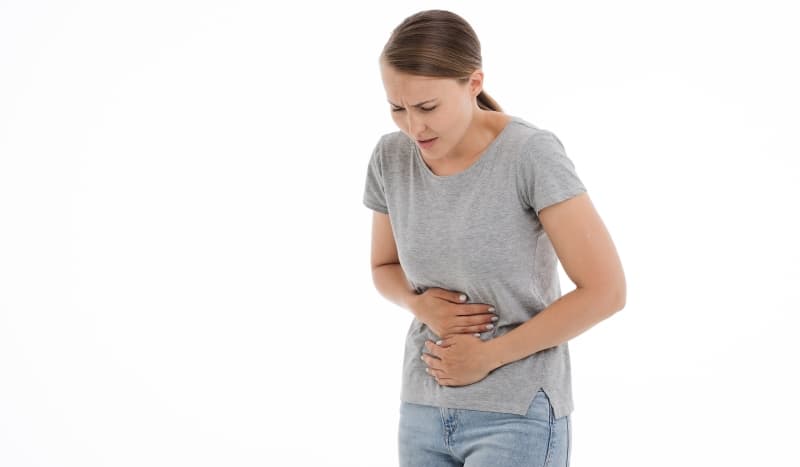
Crohns Disease
Here we examine Crohns disease, its causes and treatments. Unfortunately there is no cure but there are treatments.
If you are concerned or you suspect that you may be suffering from Crohns Disease you may want to inform yourself about the illnesses causes, symptoms and treatments.
What is Crohns Disease?
Crohns Disease is a condition which causes the inflammation of the lower section of the small intestine of the colon. Sufferers tend to get abdominal cramps, diahorrea and experience rapid weight loss. The intestine of person suffering from Crohns Disease develops ulcers and boils which form scar tissue as they heal.
Over time this scar tissue may build to the point of near or complete blockage of the intestine. Severe cases of Crohns Disease often result in sections of the intestine being surgically removed.
Who Does it Affect?
Crohns disease tends to surface in people between the ages of 20 and 30, and there is no cure. The good news is that with the appropriate medication and diet, most suffers of the illness lead reasonably normal lives.
The illness is characterized by flare ups followed by periods of remission. The treatments vary depending on the severity of the flare up. The medications most commonly used to treat the illness are Aminosalicylates and Corticosteroids. These can be taken orally, or as suppositories.
Treatments
Diet is also a major concern in treating this illness, mostly because the damage done to the intestine can prevent nutrients from being absorbed, causing malnourishment. Its important for suffers to up their vitamin and calorie intake if they are suffering from rapid weight loss.
If you have noticed blood in your stools, abdominal pain, abnormal weight loss or general lack of health, and suspect you might be suffering from this illness, see your GP immediately.
Symptoms of Chrohns Disease
There are numerous Crohn's symptoms, reflecting the different ways in which this painful disease can manifest affect people.
Crohn's disease is an inflammation of the wall of your bowel - however, it can affect any part of the digestive system, from your mouth down through your stomach and bowel to your anus. Thus Crohn's symptoms can vary widely from person to person. It most commonly occurs in the small bowel or the first part of the large bowel, however.
There are a wide range of Crohn's symptoms, including:
- Diarrhoea, which may contain blood, pus or mucus
- Painful, swollen abdomen
- Loss of appetite
- Loss of weight
- Fever
- Rectal bleeding
- Ulcers, tears or abscesses around the anus
This is a chronic disease, meaning that it is persistent - many people suffer their whole life. When it is active, there are other problems to look out for, including:
- Mouth ulcers
- Joint pain
- Eye inflammation
- Rashes
- Skin ulcers
- Fertility problems
- Increased risk of miscarriage
Flare-ups can occur for no apparent reason, although some people find that they can identify certain foods that will cause their condition to worsen.
Thus one of the best things that sufferers can do is pay attention to their diet, eating a good variety of foods on a daily basis.
What About a Suitable Diet?
If you follow a Crohn's diet, you will find it to be an effective way to moderate the symptoms of this painful disease. Because this illness involves inflammation of the wall of your bowels, it can affect the efficiency with which your body is able to absorb nutrients from your food - the Crohn's diet therefore aims to maximize the amount of nutritious food that you get.
The chief recommendation for a Crohn's diet is that you aim to eat a balanced amount from each of the main food groups. These are:
- Fruits
- Vegetables
- Dairy
- Meats
- Whole grains
- Fats
- Protein
As this illness can affect any part of the digestive system, from your mouth down through your stomach and bowel to your anus, different people will find that different foods precipitate the symptoms. It is thus crucial to follow an elimination diet in order to figure out which foods precipitate an attack - you can then remove these from your diet.
In addition to eating in a healthy mix of foods on a daily basis, many doctors recommend that you also take a nutritional supplement - impairment of the small intestine means that you are unable to properly digest and absorb nutrients from the food you eat, and can lead to malnutrition.
A good supplement should include a broad spectrum of essential vitamins and minerals, including B12, folic acid, Vitamin D, magnesium, potassium, trace elements and other specific nutrients your doctor recommends that you supplement.
Most Popular
- › Eating Healthy Foods
- › Types of Diets & Weight Loss Programs
- › Fat Burning Exercises
- › Best Gym Equipment for Weight Loss
- › Eating Disorders Relating to Weight Loss
- › Being Vegetarian Diet Implications
- › Artificial Sweeteners as a Sugar Replacement
- › Exercise Helps Weight Loss
- › Diet & Nutrition Tips & Advice
- › 5 A Day for Healthy Eating
You may also be interested in...
Celiac Disease
Do you know about Celiac disease? The symptoms are a reaction of the intestines to gluten - making diet choice and lifestyle a careful choice for sufferersParkinsons Disease
For advice about Parkinson’s disease and the type of diet and foods that may help, why not read the slimming.co.uk quick guide as a start point.Can Online Diet Plans Work?
It's a question that's often asked. Can online diet plans really work when you're trying to slim and needing some help? Why not read our simple article that may help you decide whether they are right for you.Heart Disease Relating to Weight
Find out about Coronary Heart disease symptoms and causes in relation to weight loss. Key side effects depending on what type of person you are.Child Diabetes - What Diet?
Understanding how child diabetes can be managed by diet is important so to help manage the diabetic condition more effectively due to the rapid increase