
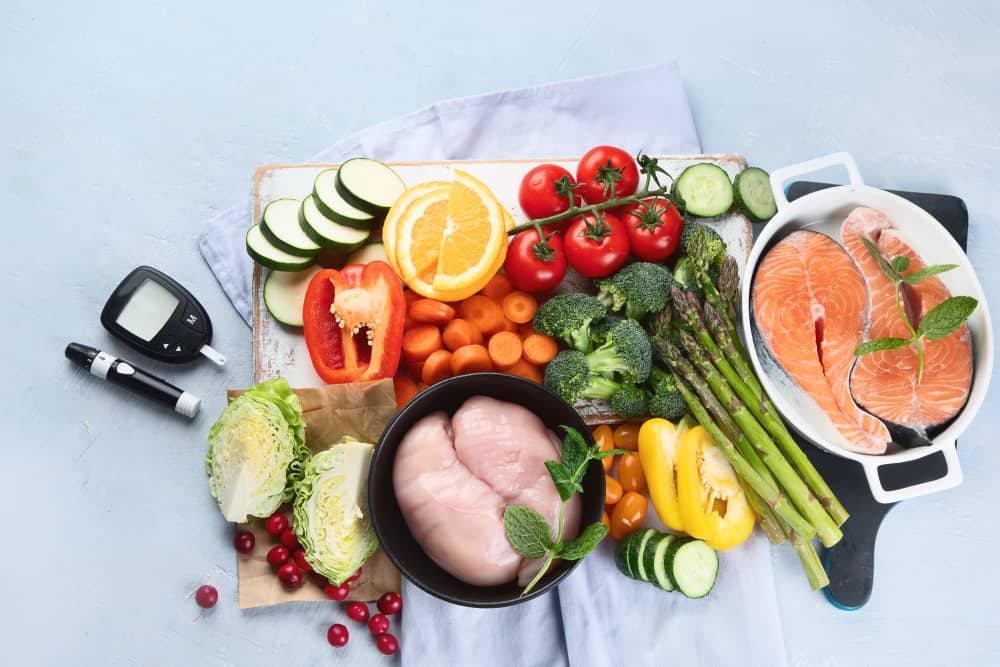
What are Low Fat Diet Plans?
When you're trying to lose weight, does a low fat diet plan make more or less sense? Surely eating less fat will make you, well, less fat? Why not check out our diet plan guide for the facts.
There is a lot of evidence to support the assumption around eating less fat in the first place. Although there are also some arguments against it.
Why Choose Low Fat?
People choose to follow low fat diets for various reasons that include weight loss. This includes the prevention and treatment of diseases such as heart disease, high cholesterol, high blood pressure, cancer, and diabetes.
In addition, very low-fat, high-fibre, vegetarian diets such as those developed by Nathan Pritikin, and Dean Ornish are proven to reverse coronary artery disease.
Are Fats Good Or Bad?
If you are considering a low fat diet it's important to understand the role that fat plays in your diet. The bottom line is, we need some fats, such as monounsaturated fats or omega-3 fatty acids have numerous benefits including lower risks of heart disease.
Foods that contain fats, such as meat, are good sources vitamins E and B12 and zinc. Finally, if you have too little fat in your diet, your body will not properly absorb fat-soluble nutrients, such as vitamin A, vitamin D, vitamin E, and vitamin K.
Which Fats To Use?
As we need to have some fats in our diet, choosing the right ones to consume or use for cooking is ever more important.
Better choices are vegetable oils like corn oil, sunflower oil, and safflower oil, which have been shown to lower cholesterol levels in most studies. Also fish oils and olive oils are both associated with reduced risk of cardiovascular disease and may play a role in the reduced risk of certain cancers.
Which Ones To Avoid?
There are certain fats and fat sources that shoudl be avoided.
Saturated Fats
These can raise blood cholesterol levels and increase the risk of heart disease. They are found in meats, whole milk products, butter, cheese and cream.
Trans Fatty Acids (TFAs)
TFAs are found in processed foods look for the term partially hydrogenated oil and also in many fast foods. Consumption of TFA greatly increases the risk of heart attack.
Most Popular
- › Cholesterol Levels - High & Low - Explained
- › What Is Diabetes?
- › Detox for Weight Management
- › Activities for Getting Fit
- › Treadmills & Running Machines
- › Artificial Sweeteners as a Sugar Replacement
- › Home Gyms for Exercising
- › Being Vegetarian Diet Implications
- › The Keto Diet Plan - High Fat, Low Carbs
- › Vitamins & Minerals in Foods
You may also be interested in...
Fancy a Low Fat Diet?
Learn more about what a low fat diet actually means in reality! If you fancy this route for your slimming program, then read what's involved so you know exactly what you are letting yourself in for.Heart Disease Relating to Weight
Find out about Coronary Heart disease symptoms and causes in relation to weight loss. Key side effects depending on what type of person you are.Eating Low Fat Foods
Slimming.co.uk provides information on eating low fat foods and what it means for your diet and daily nutritional balance of foods.Low Calorie Diet Plans
In many ways, low calorie diet plans are the simplest way to lose weight. But what are they and how do they work? Read our explanation in full...Low Calorie Diet Plans
If you want to read about low calorie diets and find out what they are and whether they are suitable, then we can get you started with suitable programs and some great tips.