
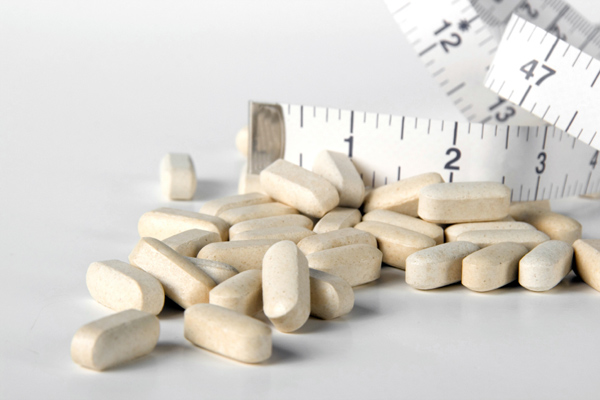
Can Slimming Pills Help You Lose Weight?
They are promoted online, in the paper and on TV, but can slimming pills really help you lose weight for more than the few weeks you are taking them? Are they a waste of money or can they really help you to lose the pounds!
More readily available than ever before, from Tesco through to online websites, slimming and diet pills are rapidly becoming the first choice for many people that want to lose weight in a hurry. Are they really that simple and efficient that everyone should be using them? Or are they a quick fix that won't last once you come off them?
Why Can Prescription Drugs Help?
Over the counter medication is closely regulated and through drugs like Orlistat and Sibutramine users can achieve good weight loss with minimum fuss. yes there are some side effects, but for some they are a way to achieve your weight loss objectives.
Prescription diet pills were designed for overweight or obese people that want to lose weight. Simple as that! Contrary to that objective, they should not be seen as a quick fix to you losing and keeping off the weight long term. Drugs like Xenical (the brand names for Orlistat and Sibutramine respectively) can be very effective at helping you in the short term.
Drugs like Xenical are successful as their 'secret' lies in lowering blood pressure, cholesterol, fat and insulin resistance. Whilst assisting with weight loss, they should not be relied upon as substitutes for exercise or dieting.
You will potentially lose about 10% of your starting weight over the course of the first year, with some dramatic weight loss during the first six months. The weight loss rate then levels off as tolerance levels to the drug within your body rise and the effectiveness of the prescription diet pills begins to wane.
Are Prescription Drugs Safe?
Long term studies are still required to help understand the potential side effects of taking this form of medication. Using such pills can present a risk to your health depending on the side effects that you suffer from.
A doctor should always be consulted prior to starting on a weight loss programme as such drugs are controlled substances. You should avoid mixing medication as this can also be harmful and always read the label carefully. Doctors are able to offer you impartial advice on medication and ensure you embark on the right diet plan so it is essential for you to seek medical assistance first (The Food and Drug Administration (FDA) in the USA offer assistance and advice).
Drugs like Xenical offer quick and simple routes for many people to try and lose weight. Whilst not being dangerous in their own right, you must seek medical advice and this is why they are both prescription drugs.
How Does Xenical Work?
Orlistat, or Xenical blocks the action of the fat-digesting lipase enzymes in the intestine, stopping around 30 percent of the fat you've eaten from being absorbed in to the body. This enables the fats to simply pass right through your digestive system and so you lose weight as a result.
There are some side effects, including liquid stools, headaches, anxiety and even abdominal pains.
IMPORTANT - Reductil
In a similar inhibitive style, Reductil (or Sibutramine) pills block the action of the nerve cells that release and allow re-absorption of serotonin. This causes serotonin levels increase enhancing feelings of fullness so that you eat less.
** This drug has now been removed from the market due to a review by the European Medical Agency - the EMA as has been linked to strokes and heart attacks.
So Will These Pills Help?
In a nutshell, you can use pills like Xenical as part of an overall plan to help you lose weight. We wouldn't recommend you rely on them as the sole route to get slimmer, but as part of an exercise and fitness regime and a change in your diet and eating habits, you could see some dramatic effects.
Will these effects be sustainable? Aside from the side effects and the cost, we think you will need to be combining the pills with real changes in your lifestyle.
Most Popular
- › Vitamins & Minerals in Foods
- › Best Gym Equipment for Weight Loss
- › Home Gyms for Exercising
- › What is Healthy Weight Loss?
- › Is Child Obesity A Major Issue?
- › The GI Diet Plan
- › Artificial Sweeteners as a Sugar Replacement
- › The Risks of Dieting
- › Detox for Weight Management
- › Diet & Nutrition Tips & Advice
You may also be interested in...
Herbal Slimming Pills
Which herbal slimming pills are good for weight loss. Simple information to help ensure you get it explained in simple terms before you decide this is right for youCan Natural Weight Loss Work?
Find out whether natural weight loss works with our advice and tips. If you don't want to go down the prescription or surgery route, read onCan Life Coaching Help with Slimming?
Can life coaching help when you want to slim? Understanding what drives your day may help you make changes that help with your weight loss.What Are Fat Burning Pills?
Discover how fat burning pills or tablets can help you lose weight as part of a controlled weight loss programme. Slimming.co.uk provides the information as well as natural routes to take.Are You Struggling to Lose Weight?
If you are struggling to lose weight, whether that's New Year or pre-Summer, read some basic thoughts and tips to get you started.