
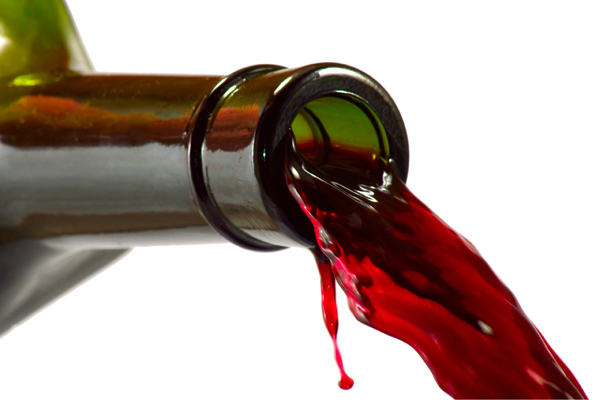
Calories in Alcohol
Want to know the actual calories in alcohol based on your favourite wine, spirit or beer? If you're thinking of losing weight or toning up - you will need to know the caloiries involved!
Is quite surprising how many calories in alcohol there are, especially when you consider you go to the pub and drink 3 or 4 pints (that's around 1000 calories by the way - oh yes plus the kebab on the way home a further 1000 calories). So if you're trying to lose weight, it's one of the ways
Why the Calories?
So we've seen above that sugars are broken down to make alcohol, so there's your calories! Alcohol is unfortunately generally quite high in calorie content.This is especially true when its mixed with juices or fizzy mixers like Coca-Cola.
Even if the juice contains some nutrients, your body is more likely to flush these out while trying to get rid of the alcohol in your system. This also puts considerable strain on your liver. It is recommended that women consume no more than two units per day while men shouldn't have more than three units.








How is Alcohol Made?
Fermentation of yeast breaks sugars down into alcohol and carbon dioxide. Whether that's natural sugars from grapes or added sugar for beer. Just so you know (and can recall in that pub quiz), yeast are actually single-celled fungi that have special enzymes that enable this reaction to take place!
Any Nutritional Value?
That pint or glass of red wine may be relaxing and enjoyable, but alcohol has little or no nutritional value. As we drink, we are able to consume more calories without feeling full (than if we were eating say).
In Terms of Weight
Okay we've already seen that there are considerable calories in alcohol. Admittedly there's lots more in the cream donuts that look really appetising, but then we don't down 10 donuts on a Friday night! So all those calories that quickly pile up are then further compounded if you have a cheeky takeaway on the way home - so in short beering it up or having a few glasses of wine is not great for your weight no!
Secondly, away from the specific calories, drinking beer, wine or spirits also causes dehydration and this can slow down your metabolism. This will mean you're less able to quickly burn up what you consume and therefore you are more likely to store it as fat.
Calories in... alcohol
In this section we'll try to give you a close estimate for a range of different types of drinks. It's not only the quantities you drink but also what you choose to drink that's important.
Most Popular
- › Getting Your Balanced Diet
- › Balanced Diets - Tips & Advice
- › Diet & Nutrition Tips & Advice
- › What is a High Fibre Diet Plan?
- › Cholesterol Levels - High & Low - Explained
- › Artificial Sweeteners as a Sugar Replacement
- › Exercise Helps Weight Loss
- › Being Vegetarian Diet Implications
- › Treadmills & Running Machines
- › 5 A Day for Healthy Eating
You may also be interested in...
How Many Calories in a Pint of Beer
See the calories in beer, from draft to bottle, lager to bitter or premium craft. From only 74 up to over 280 calories per pint!How Many Calories in a Banana?
How many calories in a banana? They are packed full of fibre and vitamins and are one of your 5 a day, see just how many calories in bananas there are.Burning More Calories
Find a way to teach your body to burn more calories rather than storing them as fat. That way you’ll find you’re far less likely to gain weight.Alcohol Intolerance
Are you concerned about alcohol intolerance? Do you experience negative reactions when you have a drink and are concerned that you may suffer from alcohol intolerance? Find out the answers on slimming.co.uk.The Effects of Alcohol on Your Weight
Get the facts about alcohol and the effect it can have on your weight and your health. See how you can control it as part of your weight loss program.